

Continuous data, not a monthly snapshot
Wireless sensors measure vibration and temperature several times a day and flag change as it happens. No cabling, quick to fit, and practical on hundreds of machines.
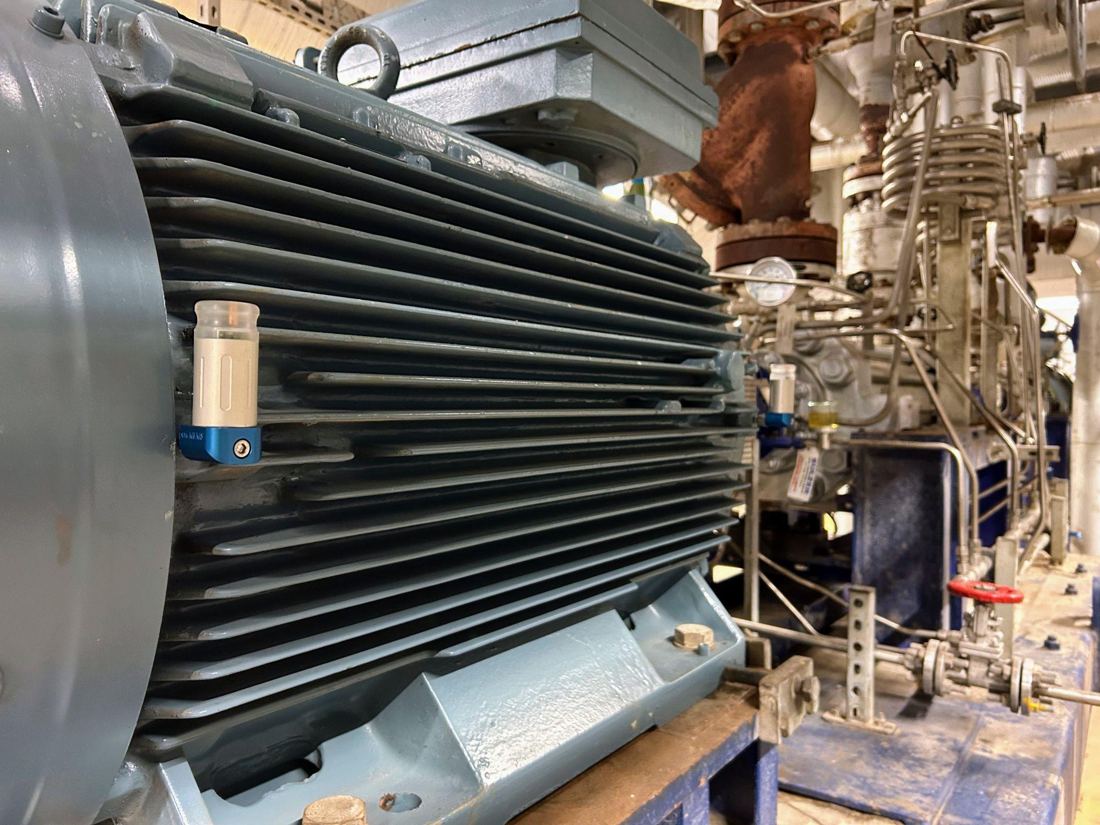
Faults don't wait for the next route
Route-based vibration analysis is valuable, but a monthly or quarterly visit sees a machine for a few minutes. Lubrication faults, electrical discharge damage and looseness can go from first sign to failure in days.
Wireless monitoring closes that gap. Sensors take readings several times a day, analytics spot the change, and an analyst confirms it before you act.
Where it fits best
- Balance-of-plant pumps, fans, motors and gearboxes
- Machines that are hard or unsafe to reach
- Large fleets where route visits are costly
- Remote and unmanned sites
- Assets with a known fast-developing fault, such as EDM
Not the right fit for machinery protection on high-speed turbomachinery. For that see machinery protection.
What we compare before we recommend
There are dozens of wireless systems. We compare them on the things that decide whether they work on your site.
Measurement
Frequency range, sample rate, axes, waveform and spectrum capture, temperature.
Power and life
Battery life at your measurement rate, replacement cost, energy harvesting options.
Communications
LoRaWAN, cellular, mesh or Wi-Fi. Range through steel and concrete. Gateway count.
Hazardous areas
ATEX and IECEx ratings where you need them.
Security and data
Encryption, hosting location, data ownership, supply chain origin.
Analytics and cost
Quality of anomaly detection, analyst tools, licence model, total cost over 5 years.
JG Pears CHP: one alert, two days of downtime avoided
Electrical discharge (EDM) was damaging motor bearings across the site. Wireless sensors now measure several times a day, so a rise in friction is caught in hours, not at the next route visit.
Common questions
How often do the sensors measure?
It depends on the system and battery life you need. Typically several times a day, with extra captures when something changes.
How long do batteries last?
Usually several years at normal settings. We size the measurement plan to your battery and cost targets.
Does it replace route-based analysis?
Often it complements it. Many sites use wireless on critical and hard-to-reach machines and keep routes for the rest.
Do we need to connect it to our network?
Not necessarily. Many systems use their own LoRaWAN or cellular link with no connection to your plant network. See cyber & security approvals.
Tell us which machines matter most.
We will tell you how we would monitor them, what it would cost and what it would save.